
📞 +91 9262343434

TESE Treatment in Surat
- Home
- Facilities
- TESE Treatment in Surat
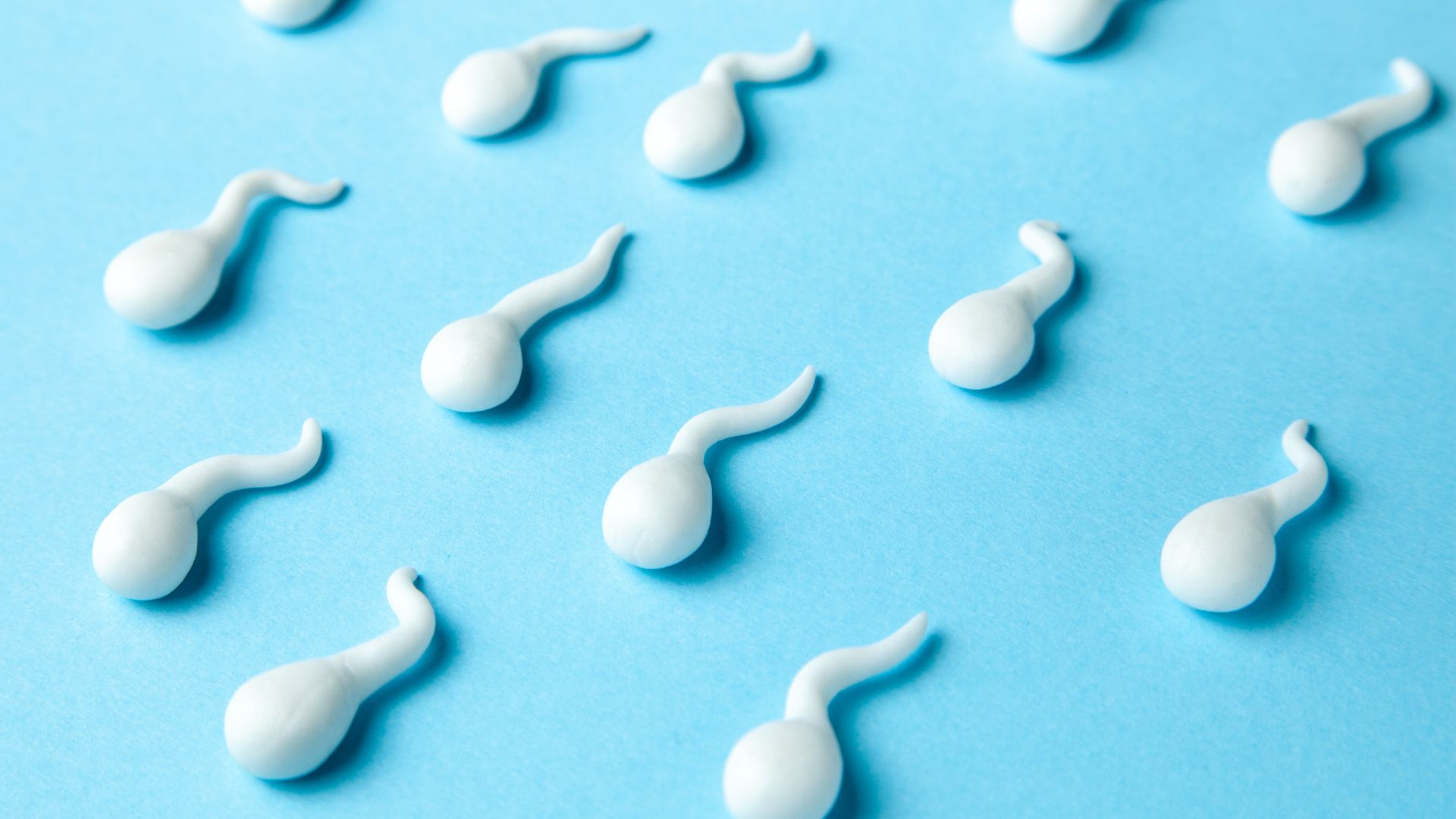
Female First Hospital offers TESE treatment in Surat for men who have little or no sperm in their semen because of a sperm production problem. TESE (Testicular Sperm Extraction) retrieves sperm directly from testicular tissue so that it can be used for ICSI treatment in Surat, giving many couples a real chance of having a biological child. The procedure is planned and performed by the team led by best IVF doctor in Surat Dr. Sweta Patel.
Testicular Sperm Extraction (MicroTESE)
Micro-Dissection TESE (MicroTESE) is an advanced surgical technique used for men with Non-Obstructive Azoospermia or severe testicular failure. In these cases, sperm production is very limited and often occurs in small, localized areas of the testes.
During MicroTESE:
- The testis is carefully opened under anesthesia.
- Tissue is examined under a high-powered microscope to identify areas most likely to contain sperm.
- Healthy sperm are retrieved for use in IVF-ICSI or frozen for future treatment.
This method significantly improves the chances of finding viable sperm compared to blind biopsies or needle aspiration.
Why MicroTESE?
- Best option for men with severe sperm production issues
- Maximizes sperm retrieval while minimizing tissue damage
- Enables biological parenthood through IVF-ICSI
Who Is TESE Recommended For?
TESE is usually advised when a semen analysis shows no sperm (azoospermia) and the cause lies in sperm production rather than a blockage. Your doctor may recommend it in situations such as:
- Non-obstructive azoospermia, where the testes make very few sperm
- A previous needle procedure such as TESA treatment in Surat that did not find enough sperm
- Genetic conditions that affect sperm production, such as Klinefelter syndrome or Y-chromosome microdeletions
- Testicular damage after chemotherapy, radiotherapy, infection, injury or undescended testes
- Failed vasectomy reversal, when sperm cannot be collected from the epididymis
Before any decision is made, both partners go through a complete evaluation. A hormone profile, genetic tests and an infertility test in Surat at our centre help us understand why sperm are absent and which retrieval method gives you the best chance.
TESE, Micro-TESE, TESA, PESA and MESA: What Is the Difference?
All of these procedures collect sperm surgically, but they differ in where the sperm come from and how they are collected:
- TESE: a small piece of testicular tissue is removed through a tiny incision and examined in the lab for sperm.
- Micro-TESE: the same idea, performed under an operating microscope so the surgeon can pick the tubules most likely to contain sperm while removing less tissue.
- TESA: sperm are drawn from the testis with a fine needle, without an incision.
- PESA: a needle collects sperm from the epididymis. PESA treatment in Surat suits men with a blockage.
- MESA: a microsurgical collection from the epididymis. MESA treatment in Surat is also used for obstructive cases.
In simple terms, needle procedures are tried when sperm production is normal but the passage is blocked, while TESE and Micro-TESE are chosen when production itself is low.
How the TESE Procedure Is Done
- Pre-procedure assessment: blood tests, hormone levels and an anaesthesia check are completed a few days earlier.
- Anaesthesia: the procedure is done under local or short general anaesthesia, so you feel no pain during it.
- Tissue retrieval: a small incision is made in the scrotum and tiny samples of testicular tissue are taken.
- Lab examination: the embryologist checks the samples immediately under the microscope and tells the surgeon whether sperm have been found.
- Closure: the incision is closed with fine dissolvable stitches. Most men go home the same day.
TESE is usually timed with the female partner’s egg retrieval so that fresh sperm can be used on the same day. If that is not possible, the sperm can be frozen. Read more about embryo freezing in Surat and sperm storage at our centre.
Recovery After TESE
Recovery is generally quick. Mild swelling, bruising or a dull ache for a few days is common and settles with rest, scrotal support and the pain relief your doctor prescribes. Most men return to desk work within two to three days and are advised to avoid heavy lifting, strenuous exercise and intercourse for about one to two weeks. Contact the hospital if you notice fever, increasing pain, bleeding or marked swelling.
What Happens After Sperm Are Retrieved?
Sperm collected by TESE are few in number and cannot fertilise an egg on their own, so they are always used with ICSI, where a single sperm is injected into each mature egg. The resulting embryos are grown in the lab, often up to day 5 for a blastocyst transfer in Surat, and the best embryo is transferred to the uterus. If you would like to understand the full journey, see our guide on what to expect during IVF treatment.
Chances of Finding Sperm and Possible Risks
Whether sperm are found depends on the cause of azoospermia, hormone levels, testicular size and genetic findings. No test can guarantee the result in advance, which is why we discuss realistic chances and back-up options, including donor sperm, before the procedure. TESE is a safe day-care surgery, but like any operation it carries small risks such as bleeding, infection, temporary discomfort and, rarely, a reduction in testosterone levels. Your doctor will explain these in detail during counselling.
Frequently Asked Questions
Is TESE painful?
The procedure itself is done under anaesthesia. Afterwards, most men describe mild soreness for a few days that is well controlled with simple medication.
Can TESE be repeated if no sperm are found?
In selected cases a repeat attempt, usually by Micro-TESE, may be considered after a gap of several months. Your doctor will advise based on the tissue report and hormone levels.
Are babies born after TESE and ICSI healthy?
Large studies are reassuring for children born through ICSI with surgically retrieved sperm. If a genetic cause of azoospermia is found, genetic counselling is offered before treatment.
How much does TESE cost?
The cost depends on the technique, anaesthesia and whether sperm freezing is needed. It is usually planned together with the IVF cycle, so we explain it along with the IVF cost in Surat in writing before you start.
Book a Consultation
A zero sperm count does not always mean the end of the road. To find out whether TESE is right for you, book IVF consultation in Surat with Dr. Sweta Patel’s team at Female First Hospital.