📞 +91 7879872580
blastocyst transfer in Surat
- Home
- Facilities
- blastocyst transfer in Surat
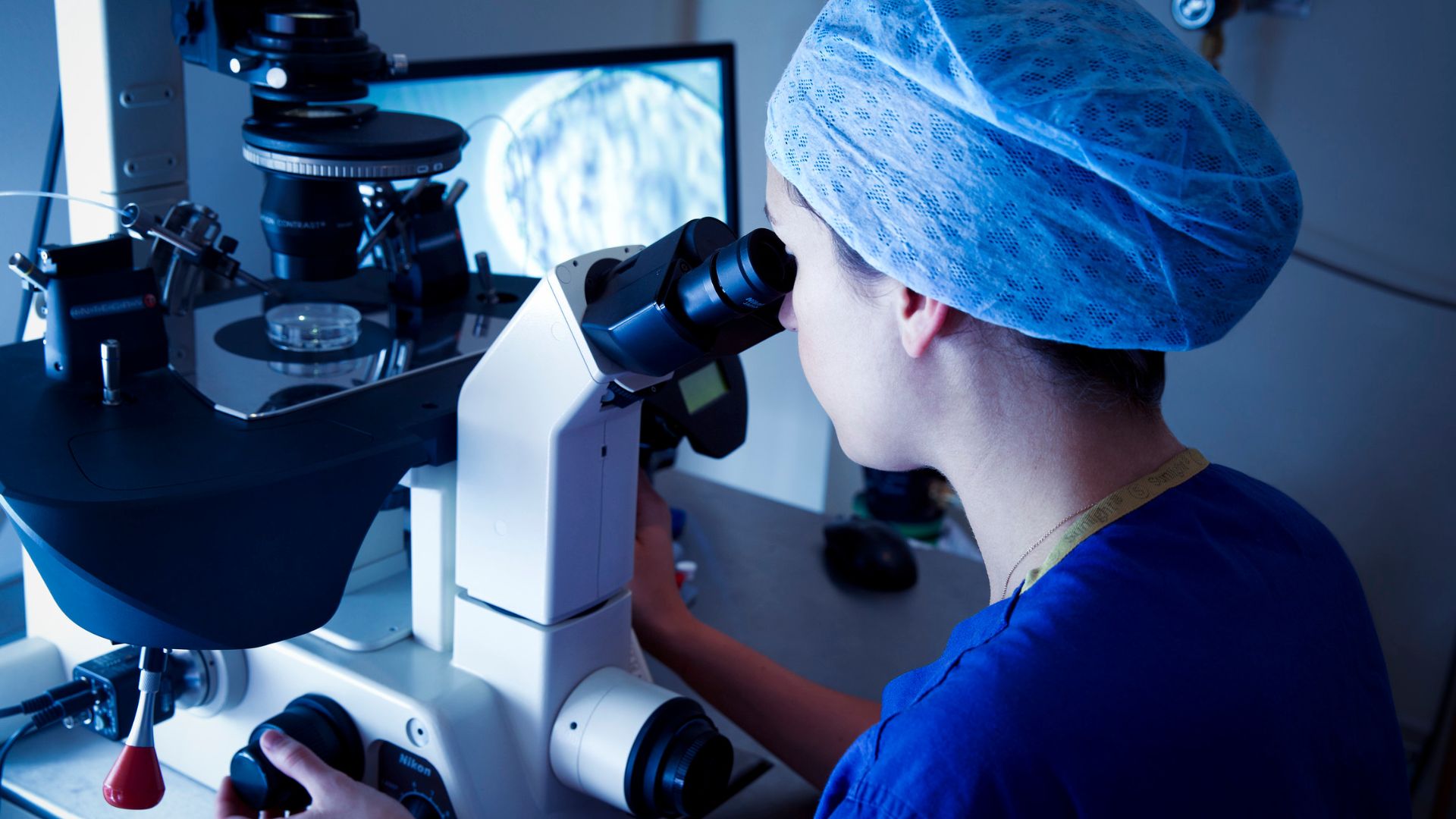
Female First Hospital offers advanced blastocyst transfer in Surat as part of our IVF–ICSI programme. Under the care of Dr. Sweta Patel, our embryology team cultures embryos to the blastocyst stage (day 5–6) before transfer — selecting the strongest embryos to improve the chances of a successful pregnancy.
What Is Blastocyst Transfer?
- A blastocyst is an embryo that has developed for five to six days after fertilization.
- With blastocyst transfer, embryos are cultured in the laboratory incubator to the blastocyst stage before being transferred to the womb.
- One or two of the best-quality blastocysts are then selected and implanted. A blastocyst must attach itself to the wall of the womb for pregnancy to occur.
When Is Blastocyst Transfer Done?
- It is often used to improve pregnancy chances after single embryo transfer, particularly for younger women with a good prognosis from IVF.
- Your doctor may suggest it if you produced good-quality embryos in a previous IVF cycle but they failed to implant.
- It is not usually recommended when fewer than around five good-quality day-5 embryos are available.
How Does Blastocyst Transfer Work?
The procedure is similar to a normal embryo transfer, but instead of transferring on day two or three, the embryos are cultured for five to six days first. This extra time lets embryologists identify the embryos with the best development potential.
What Are the Risks of Blastocyst Transfer?
- Not all embryos develop into blastocysts — some stop developing at the four-cell stage (day two).
- In some cases, the embryologist may advise a day two–three transfer instead, rather than risk having no blastocyst to transfer on day five–six.
- As with any embryo transfer, transferring more than one blastocyst raises the chance of a multiple pregnancy, so single blastocyst transfer may be considered.
What Are My Chances of Having a Baby with Blastocyst Transfer?
Female fertility diminishes with age, so if you are using your own eggs, the younger you are, the higher your chances of success. For women receiving stimulated IVF using fresh blastocysts from their own eggs, up to 45% of cycles reaching blastocyst transfer resulted in a live birth for women under 35 (figures to be confirmed by the clinic). Success also depends on individual factors, which our team will discuss as part of your infertility treatment plan.
Blastocyst Transfer, Freezing & Genetic Testing
Surplus good-quality blastocysts can be frozen for future transfer without repeating stimulation. Blastocyst-stage embryos are also ideal for PGD & PGS genetic screening, which checks embryos for genetic conditions before transfer.
Why Choose Female First Hospital for Blastocyst Transfer in Surat
- Experienced embryology team — under the care of Dr. Sweta Patel, with 15+ years in reproductive medicine.
- Advanced laboratory — controlled culture conditions to grow embryos to blastocyst stage.
- Complete IVF care — part of our full IVF & fertility treatments, from evaluation to pregnancy care.
Book a Consultation
To find out whether blastocyst transfer is right for you, book a consultation with Dr. Sweta Patel at Female First Hospital, Surat.