📞 +91 7879872580 +91 9875165757
Endoscopic Surgeries
- Home
- Facilities
- Endoscopic Surgeries
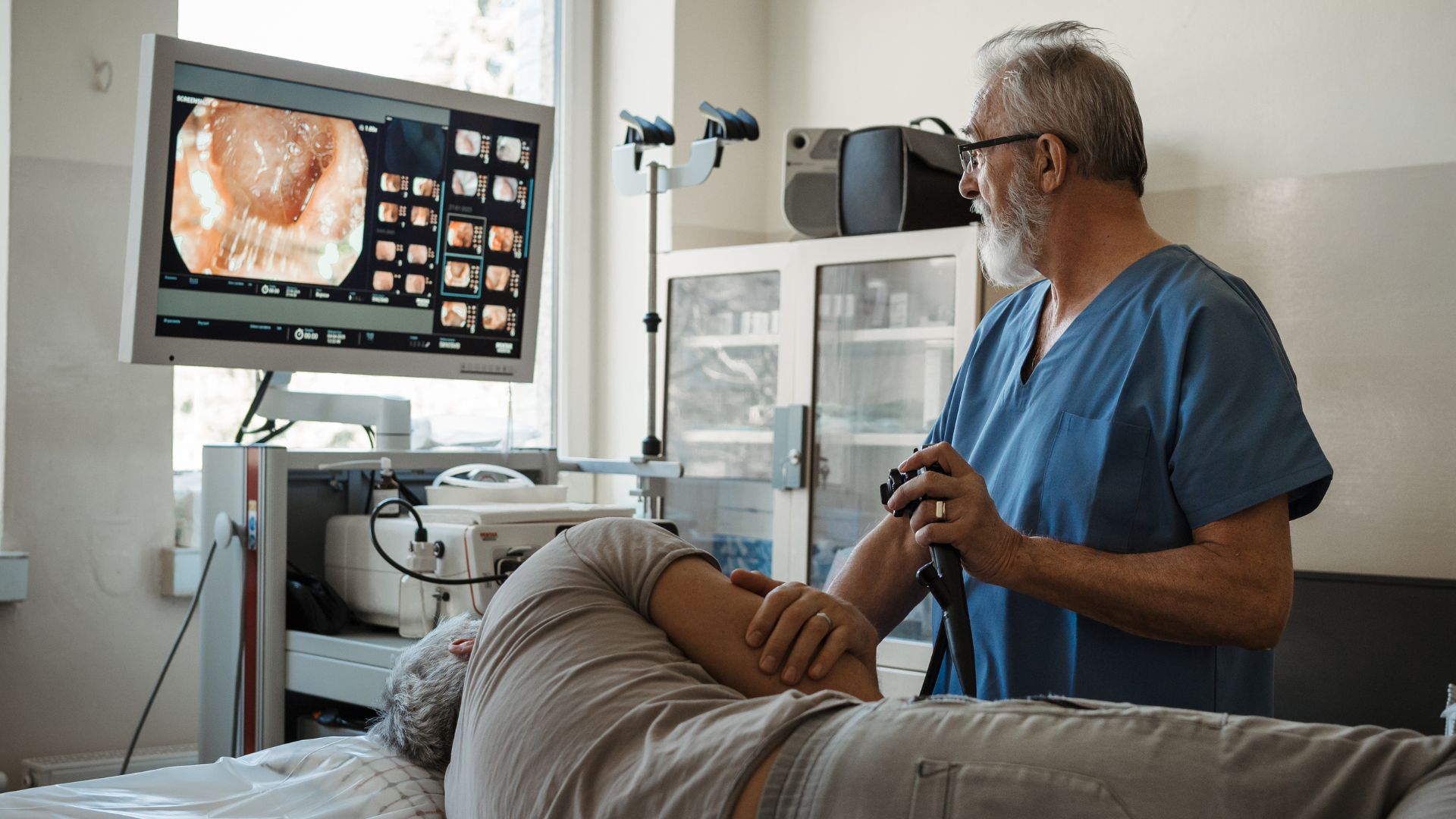
Endoscopy at Female First Hospital
Endoscopy is a minimally invasive diagnostic and surgical procedure that uses a specialized telescope (endoscope) to examine internal organs without large incisions. It is highly effective when other imaging methods like MRI, CT Scan, or X-ray are insufficient. With endoscopy, we can visualize and treat conditions of the uterus, fallopian tubes, and ovaries in the same sitting, ensuring faster recovery and better outcomes.
Types of Endoscopic Procedures
We perform Laparoscopy and Hysteroscopy together when needed for comprehensive evaluation and treatment.
Hysteroscopy
A lighted telescope is inserted through the cervix to view the uterine cavity.
Common Procedures:
- Diagnostic evaluation
- Uterine septum resection
- Adhesiolysis (Asherman’s Syndrome)
- Polyp removal
- Tubal cannulation (blocked tubes)
- Submucous fibroid removal
Purpose: To create a healthy uterine lining for embryo implantation.
Laparoscopy
A small incision allows insertion of a telescope to view pelvic organs.
Common Procedures:
- Diagnostic laparoscopy
- Ovarian cyst removal (simple, chocolate, dermoid)
- Endometriosis treatment
- Adhesiolysis
- Tubal surgery (repair, recanalization, salpingectomy)
- Myomectomy (fibroid removal)
- Management of ectopic pregnancy
- Ovarian drilling for PCOS
- Chromopertubation (dye test for tubal patency)
Benefits of Endoscopy
- Minimally invasive – small cuts, faster recovery
- Combined diagnosis and treatment in one sitting
- Short hospital stay – usually 24 hours
When is Endoscopy Recommended?
- Infertility evaluation
- Blocked fallopian tubes
- Endometriosis
- Fibroids or uterine abnormalities
- Ovarian cysts
- Tubal sterilization reversal